

Have you ever woken up feeling groggy and found that your mood for the day was affected? Or, have you noticed that when you get a good night's sleep, you feel more alert, productive, and happier? The quality of sleep we get can have a significant impact on our mental health. In this blog post, we will explore the link between sleep quality and mental health. Get ready to discover how something as simple as a good night's sleep can make all the difference in your overall well-being.
Understanding the Connection Between Sleep and Mental Health
Sleep and mental health are intricately linked, with one affecting the other in a bidirectional manner. While good sleep quality is essential for optimal mental well-being, poor sleep quality can lead to a host of mental health problems such as depression, anxiety, and mood disorders. Studies have shown that individuals who experience insomnia or other sleep disorders are at a higher risk of developing mental health issues. On the other hand, individuals with pre-existing mental health conditions are more likely to experience sleep disturbances. The connection between sleep and mental health is complex and multifaceted, with several factors such as stress, lifestyle habits, and genetics playing a role. Understanding this connection is crucial for promoting better overall health and well-being.
The Importance of Sleep Quality for Mental Well-being
Sleep Quality has a significant impact on mental well-being. A good night's rest is essential for regulating mood, improving cognitive function and memory retention, and reducing stress levels. When you sleep, your body goes through different stages of the sleep cycle and performs necessary repairs and maintenance functions required to maintain physical and mental health.
Moreover, excellent quality sleep promotes emotional stability by balancing hormones associated with mood regulation such as serotonin, cortisol, and melatonin in the brain. On the other hand, poor-quality sleep can lead to anxiety-depressive symptoms that disrupt your daily functioning.
In fact, studies show that individuals experiencing insomnia-related disorders have higher rates of depression than those who do not experience any sleeping problems. Therefore it's important to prioritize getting enough restful deep sleep consistently every night for overall optimal wellness.

How Lack of Sleep Affects Your Mental Health
Lack of Sleep can have a profound impact on mental health. Studies show that individuals who consistently lack sleep are at an increased risk for developing depression, anxiety disorders, and other mental health issues. When we don't get enough sleep, our brain's ability to function properly is hindered - making it more difficult to manage emotions and cope with stressors.
Chronic insomnia also significantly affects the regulation of mood, appetite, and energy levels in the body. Lack of sleep has been linked to changes in brain chemistry that increase the production of stress hormones such as cortisol while decreasing serotonin - a chemical responsible for regulating mood.
Moreover, poor sleep quality can lead to negative thought patterns and amplify existing mental health problems like depression or bipolar disorder. Individuals experiencing difficulties sleeping should consult with a healthcare professional for additional support since improving your sleep quality may help alleviate symptoms associated with various mental illnesses.
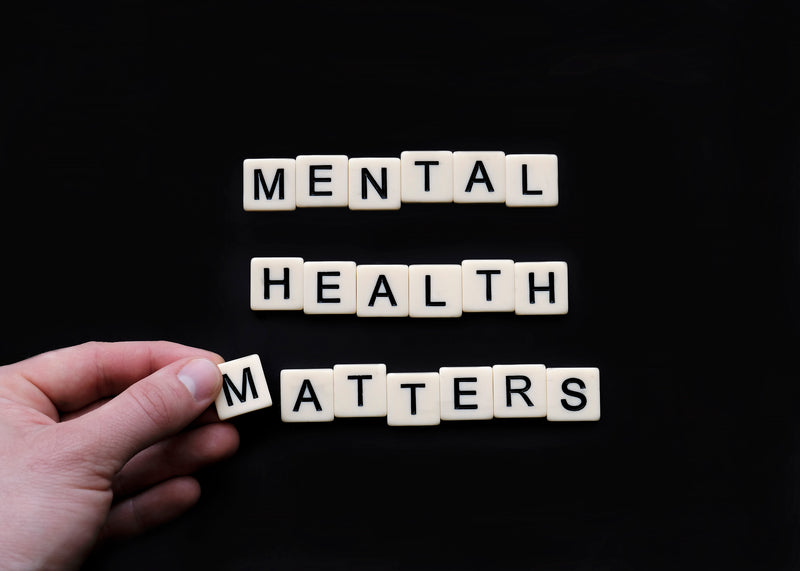
The Science Behind the Relationship Between Sleep and Mental Health
The Role of Sleep in Mental Health: Understanding the Connection
Research has shown that there is a strong connection between sleep and mental health. Studies have identified that sleep deprivation and poor quality of sleep can lead to an increased risk of several mental conditions, such as depression, anxiety, bipolar disorder, and even schizophrenia. Sleep plays a crucial role in brain function, including regulating emotions, consolidating memories, and keeping the brain healthy overall. Lack of sleep can cause changes in the chemical balance within the brain resulting in negative effects on mood regulation.
Overall, it is essential to prioritize good quality sleep as part of maintaining good mental health.
The Science of Sleep Deprivation and Its Impact on Mental Health
Studies have revealed that poor sleep quality or deprivation can affect cognitive function, mood, and emotional regulation. When we don't get enough sleep, our brain struggles with decision-making processes and problem-solving abilities. This is because lack of sleep affects the prefrontal cortex region of the brain that plays a crucial role in these functions. Additionally, it impacts the amygdala which regulates emotions such as fear and anxiety leading to heightened sensitivity towards negative emotions. Therefore, poor sleep quality and sleep deprivation can significantly impact mental health by increasing the risk for psychological issues like depression, anxiety disorders or bipolar disorder over time if left untreated.
How Sleep Quality Affects Brain Function and Emotional Regulation
Adequate sleep quality is critical for optimal brain function and emotional regulation. Research has shown that chronic lack of quality sleep can impact various aspects of cognitive performance such as attention, memory consolidation, decision-making skills, and overall mental well-being. Poor sleep quality tends to disrupt neuronal communication in key areas of the brain responsible for emotion regulation leading to exacerbation or onset of anxiety, depression and other mood disorders. Additionally, insufficient or interrupted sleep periods have been linked with an increase in systemic inflammation which contributes towards a worsened response to stressors and further psychological distress. It's essential that we prioritize healthy sleeping habits as it plays a vital role in maintaining positive mental health outcomes over our lifetime.
The Link Between Insomnia and Depression: A Closer Look at the Research
Research has shown a strong link between insomnia and depression. In fact, studies have found that individuals with insomnia are up to 10 times more likely to develop depression compared to those without sleep problems. The relationship between these two conditions is complex and bidirectional, meaning that insomnia can lead to depression and vice versa. One theory suggests that the lack of sleep may disrupt the brain's ability to regulate emotions, leading to an increased risk of developing depression. Additionally, individuals with depression may experience changes in their sleep patterns, such as difficulty falling or staying asleep. It is important to address both insomnia and depression in order to improve overall mental health and well-being.
Tips for Improving Your Sleep Quality to Boost Your Mental Health
Establish a Sleep Schedule and Stick to It
One of the most effective ways to improve your sleep quality and boost your mental health is to establish a consistent sleep schedule. This means going to bed and waking up at the same time every day, even on weekends. Consistency is key when it comes to regulating your body's internal clock, which helps you fall asleep faster and wake up feeling refreshed. Routine is also important for reducing stress and anxiety, as it provides a sense of structure and predictability. So, make sure to set a bedtime that allows for 7-9 hours of sleep each night, and stick to it as closely as possible. With time, you'll find that falling asleep and waking up becomes easier and more natural.
Create a Relaxing Bedtime Routine
Creating a Relaxing Bedtime Routine is crucial for improving sleep quality and boosting mental health. (sleep quality, mental health) Start by setting a consistent bedtime and wake-up time to train your body clock. Avoid stimulating activities before bed, such as using electronic devices or working on stressful projects. Instead, try taking a warm bath, reading a book, or practicing relaxation techniques like deep breathing or meditation to calm your mind and prepare for sleep. Make sure your bedroom environment promotes sleep with comfortable bedding, proper lighting, and cool temperatures. Practicing a relaxing bedtime routine can help you fall asleep faster and stay asleep longer leading to better overall mental well-being.
Optimize Your Sleeping Environment
To improve your sleep quality and boost your mental health, it's important to optimize your sleeping environment. Start by creating a comfortable and relaxing atmosphere in your bedroom. Keep the room cool, dark, and quiet. Invest in a comfortable mattress and pillows that support your body. Avoid using electronic devices before bedtime as the blue light can disrupt your circadian rhythm. Instead, try reading a book or practicing relaxation techniques such as deep breathing or meditation. Make sure to keep a consistent sleep schedule, even on weekends, to help regulate your body's internal clock. By creating a peaceful sleeping environment, you can improve the quality of your sleep and promote better mental health.
Minimize Screen Time Before Bed
Minimize Screen Time Before Bed: Sleep Quality and Mental Health
One of the most effective ways to improve your sleep quality and boost your mental health is to minimize screen time before bed. The blue light emitted by electronic devices such as smartphones, tablets, and laptops can disrupt your body's natural sleep-wake cycle, making it harder to fall asleep and stay asleep. This can lead to fatigue, irritability, and other symptoms that can negatively impact your mental health.
To minimize screen time before bed, try setting a "digital curfew" for yourself at least an hour before bedtime. Instead of scrolling through social media or watching TV, engage in relaxing activities such as reading a book or taking a warm bath. By reducing your exposure to blue light and engaging in calming activities before bed, you can improve your sleep quality and promote better mental health.

Common Sleep Disorders and Their Impact on Mental Health
Sleep Disorders are a common issue that can disrupt your sleep quality and have a significant impact on your mental health. Some of the most common sleep disorders include insomnia, sleep apnea, restless leg syndrome, and narcolepsy.
Insomnia is characterized by difficulty falling asleep or staying asleep throughout the night. Sleep apnea causes interruptions in breathing during sleep which can lead to daytime fatigue and mood swings. Restless leg syndrome causes uncomfortable sensations in the legs that make it difficult to fall asleep.
Narcolepsy is a neurological disorder that can cause excessive daytime drowsiness and sudden attacks of sleep regardless of what activities you're engaged in. These conditions can affect your mental health by causing chronic fatigue, irritability, depression or anxiety.
If you suspect you may be suffering from any form ofsleep disorder(s), talking to your doctor about treatment options can improve both your sleep quality and overall mental well-being.

How to Recognize Signs of Poor Sleep Quality and Its Effect on Your Mental Health
Signs of poor sleep quality can manifest in a variety of ways, and it's important to recognize them early on to prevent any negative impact on your mental health. Some common signs include difficulty falling or staying asleep, waking up frequently during the night, feeling tired or groggy upon waking up, and experiencing daytime fatigue or drowsiness. Other signs may include irritability, mood swings, difficulty concentrating, and memory problems. It's important to note that poor sleep quality can also be a symptom of an underlying mental health condition such as anxiety or depression. If you're experiencing any of these symptoms regularly, it's important to speak with a healthcare professional to determine the root cause and develop a plan for improving your sleep quality and overall mental well-being.

The Role of Stress in Disrupting Sleep and Its Impact on Mental Health
Stress is a common cause of poor sleep quality, which can have a significant impact on mental health. When we experience stress, our bodies release cortisol, a hormone that can interfere with our ability to fall asleep and stay asleep. This can lead to a vicious cycle where poor sleep quality increases stress levels, which in turn disrupts sleep even further.
Chronic stress can also contribute to the development of anxiety and depression, both of which are closely linked to sleep disorders. In fact, research has shown that people with insomnia are at a higher risk of developing anxiety and depression.
To break this cycle, it's important to manage stress levels through techniques such as mindfulness meditation, exercise, and relaxation techniques. It's also important to establish healthy sleep habits such as maintaining a consistent sleep schedule and creating a relaxing bedtime routine. Seeking professional help from a therapist or doctor may also be necessary for those experiencing chronic stress or mental health issues related to poor sleep quality.
Seeking Professional Help: When to Consult a Doctor About Your Sleep and Mental Health
Consult a Doctor if you are experiencing persistent sleep problems that are affecting your mental health. Some common signs to look out for include difficulty falling or staying asleep, waking up feeling tired, and excessive daytime sleepiness. However, there are several other indicators of poor sleep quality such as snoring, gasping in your sleep or pauses in breathing during sleep.
A doctor can perform various tests to determine the underlying cause of these issues and provide effective treatment options specific to each individual's condition. This may involve changes in lifestyle habits like diet, exercise routines, medication use or therapy sessions.
Even if you do not have an existing mental health condition but struggle with sleeping well regularly over a prolonged period resulting in disturbances in mood and anxiety levels - seeking advice from healthcare professionals is recommended as early intervention is critical for addressing psychological symptoms alongside physical ones ensuring holistic care approach towards betterment of overall wellbeing.
In conclusion, the connection between sleep and mental health is undeniable. Poor sleep quality can have a significant impact on our mental well-being, leading to a range of issues such as anxiety, depression, and even psychosis. By understanding the science behind this relationship and taking steps to improve our sleep quality, we can boost our mental health and overall well-being. Whether it's through practicing good sleep hygiene, seeking treatment for sleep disorders, or managing stress levels, there are many ways we can take control of our sleep and improve our mental health. Remember, getting a good night's rest is not just a luxury but a necessity for our mental health.
Questions & Answers
Q. Who can be affected by the connection between sleep and mental health?
A. Everyone, regardless of age, gender, or background, can be affected.
Q. What is the link between sleep and mental health?
A. Lack of sleep can lead to mental health issues like anxiety and depression.
Q. How does sleep affect mental health?
A. Sleep helps regulate emotions and restores the body, leading to better mental health.
Q. What can you do to improve sleep and mental health?
A. Practicing good sleep hygiene, such as a regular sleep schedule, can help.
Q. What if I have trouble sleeping despite good habits?
A. Consult with a medical professional to determine if there is an underlying issue.
Q. How can I prioritize sleep when I have a busy schedule?
A. Make sleep a priority, schedule it in, and practice relaxation techniques before bed.

What are your thoughts?